
IGF-1—short for Insulin-Like Growth Factor 1—is basically your body’s little overachiever hormone. It’s produced in the liver, works closely with growth hormone (GH), and helps regulate cell growth, tissue repair, metabolism, and recovery. Think of it as the project manager that keeps your body running smoother, stronger, and more energized… when it’s actually doing its job.
As we age (or deal with chronic stress, poor sleep, inflammation, or hormone imbalance), IGF-1 levels can tank. And when IGF-1 dips, you feel it: sluggish energy, slower recovery, brain fog, stubborn weight, decreased muscle tone, and that “ugh, why does everything feel harder?” vibe.
In treatment form, IGF-1 is often used as a therapy to support cellular repair, performance, metabolism, and overall vitality. It’s not a magic potion—but it is a powerful tool when used safely, strategically, and under medical supervision. No sketchy gym-bro injections here. Just science, structure, and support.
Let’s cut to the chase: IGF-1 earns its hype. Here’s what it can support when your body actually has the levels it needs:
IGF-1 signals your muscles to grow, rebuild, and recover. So yes—your workouts feel more productive and your strength doesn’t plateau quite as rudely.
If your body feels like it needs a nap and a prayer after every workout (or honestly, after carrying groceries), IGF-1 can help repair tissue more efficiently.
It supports healthier metabolic function, which means your body becomes better at burning fat instead of hoarding it like emotional baggage.
IGF-1 is linked to improved neuronal growth and brain health. Translation: less brain fog, better focus, and fewer “Where did I put my keys… again?” moments.
Low IGF-1 often feels like low battery mode. Optimizing it can restore that 60-to-100% battery jump your afternoon latte only pretends to give you.
IGF-1 plays a role in collagen production, cellular regeneration, and overall tissue health. It’s not a wrinkle eraser, but it is a “my skin looks alive again” kind of vibe.
In short: IGF-1 helps you feel stronger, sharper, and more like the version of yourself who doesn’t need three rest breaks just to fold laundry.


IGF-1 therapy isn’t for everyone—but it is a game-changer for the right person. You might be a good candidate if you’re experiencing:
Low energy or persistent fatigue
Difficulty building or maintaining muscle
Slower recovery from workouts or injuries
Increased body fat despite healthy habits
Brain fog or cognitive slowdown
Age-related decline in performance or stamina
Chronic stress, inflammation, or poor sleep affecting vitality
It’s especially helpful for women in their 30s–60s navigating hormonal changes, perimenopause, or post-menopause shifts—aka the seasons when your body suddenly starts doing things you never approved.
If you’ve been told “everything looks normal” but you still feel far from your best, IGF-1 may be part of the missing puzzle.
While IGF-1 is often discussed in the fitness world, its therapeutic uses go far beyond “gains.” Medical applications may include:
When strength starts slipping, IGF-1 helps rebuild and maintain lean muscle mass.
Low IGF-1 can contribute to insulin resistance, weight gain, and sluggish metabolism.
Supporting IGF-1 pathways can improve mental clarity and neuron health.
IGF-1 plays a key role in cellular repair.
IGF-1 interacts with estrogen, thyroid, and growth hormone pathways—so when one is off, they all start talking smack behind your back.
Women often chalk this up to “busy life,” but biologically, IGF-1 could be waving its little white flag.
Think of IGF-1 less as a “performance booster” and more as a systemic wellness tool with legitimate medical value when used responsibly.


Before jumping into treatment, a few lifestyle shifts can naturally support IGF-1 levels:
Resistance exercise is one of the most powerful natural boosters of IGF-1. (No, you don’t need to deadlift like a Viking.)
IGF-1 production happens during deep sleep. If your sleep is chaos, your hormones are too.
Your body needs amino acids to create growth factors. If you’re under-fueling, IGF-1 will absolutely snitch on you.
Stress hormones bully your other hormones—including IGF-1. Try breathwork, boundaries, or even saying “no” more often.
If these are off, IGF-1 often tags along.
If you’ve been doing all the things and still feel stuck, that’s your cue to bring in reinforcements.
At Gaya Wellness, we’re not handing out growth factors like party favors. Our approach is evidence-based, personalized, and rooted in whole-woman care.
Here’s what your journey looks like:
You’ll chat with a licensed provider who actually listens (shocking, we know). We review your symptoms, lifestyle, and goals—no judgment, no “it’s just stress,” no gaslighting.
We check IGF-1 levels and the hormones that influence them: thyroid, cortisol, estrogen, progesterone, insulin sensitivity, and more. Because nothing in your body works alone.
If IGF-1 therapy is appropriate, we build a safe, individualized protocol tailored to your needs, goals, and biology.
We track your progress, adjust dosing, and support you along the way. Your hormones may be dramatic, but your care shouldn’t be.

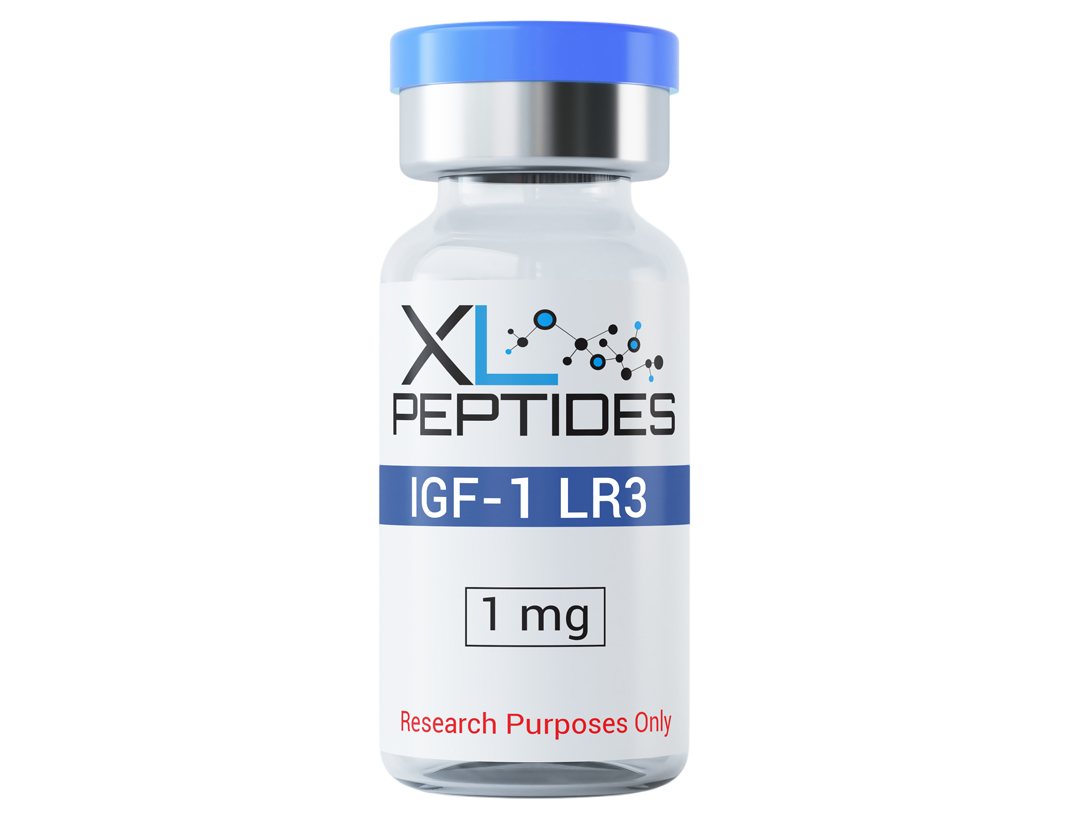
IGF-1 isn’t just a buzzword—it’s a powerhouse hormone that helps you feel strong, sharp, energized, and resilient. When levels drop, your body sends all kinds of distress signals: fatigue, slow recovery, brain fog, stubborn weight, low motivation, and that unsettling “why do I feel older than I am?” sensation.
With the right testing, guidance, and individualized treatment, IGF-1 therapy can help you reclaim your energy, rebuild strength, and restore your overall vitality—without the BS, without the runaround, and without anyone dismissing your symptoms.
When you’re ready, Gaya Wellness is here with real talk, real science, and real solutions your hormones can’t ignore.