

Table of Contents
- Why Your 40s Demand a Different Diet for Hormonal Health
- The Mediterranean Approach: A Proven Foundation for Hormonal Health Diet
- Core Principles of a Perimenopause Nutrition Plan
- Key Foods to Avoid for Hormonal Balance
- The Impact of Alcohol, Caffeine, and Fasting on Your Hormones
- When Diet Isn’t Enough: The Role of Lab-Based Hormone Testing
- Build Your Personalized Hormone-Balancing Meal Plan
- Frequently Asked Questions
Last Updated: September 8, 2026
Why Your 40s Demand a Different Diet for Hormonal Health
A hormonal health diet in your 40s is not about quick fixes or trendy detoxes; it is a strategic approach to managing the natural decline of estrogen and progesterone that begins during perimenopause. Clinical consensus identifies Mediterranean-style, whole-foods eating as the optimal approach for hormone balancing in women over 40 Mullica Hill Medical clinical consensus on hormone balancing. At GAYA Wellness, we understand how the right nutrition plan can support energy, mood, and metabolism during this transition, moving beyond generic advice to address the specific metabolic shifts of midlife.
The average woman in her 40s faces declining insulin sensitivity, muscle mass, and cortisol regulation. The best diet for hormonal health in 40s must prioritize nutrient density over calorie counting.
The Mediterranean Approach: A Proven Foundation for Hormonal Health Diet
The Mediterranean diet has been ranked No. 1 for weight loss and overall health for individuals in their 40s and 50s, according to Stanford Medicine insights on healthy habits in your 40s and 50s. This eating pattern emphasizes high intake of fruits, vegetables, whole grains, olive oil, and fish while limiting meat and sugar, making it inherently anti-inflammatory and supportive of hormonal balance.
“The Mediterranean diet has been ranked No. 1 for weight loss and overall health. Studies have shown that it’s an anti-inflammatory diet.”
— Michael Fredericson, Professor of Orthopaedic Surgery at Stanford Medicine (Stanford Medicine News, 2026)
What makes this approach particularly effective for women over 40 is its alignment with metabolic health needs. The emphasis on whole foods naturally supports blood glucose stability, while the healthy fats, particularly olive oil and fatty fish, provide the building blocks for hormone production. A balanced diet and adequate fluid intake are critical for the dietary prevention of cardiovascular diseases and managing symptoms during menopause National Institutes of Health research on dietary prevention.
Core Principles of a Perimenopause Nutrition Plan
A perimenopause nutrition plan rests on three pillars: adequate protein, high fiber intake, and strategic healthy fats. These components work together to stabilize blood sugar, support liver detoxification pathways, and provide the micronutrients necessary for hormone production and metabolism.
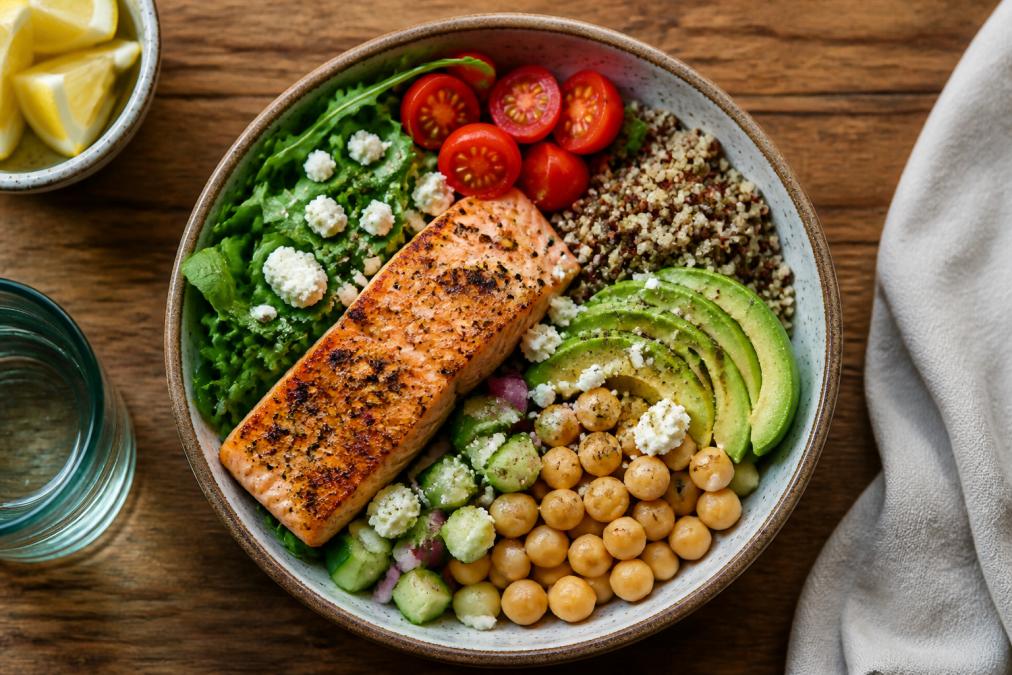
The goal is not restriction but consistent nourishment. Research published in early 2026 indicates that diets rich in plant-based fiber, protein, omega fatty acids, vitamins, and minerals demonstrate a positive impact on hormonal health ScienceDirect research on nutrition and hormonal markers. This means building every meal around whole, unprocessed ingredients rather than counting every calorie.
Prioritize Protein and Fiber at Every Meal
Protein requirements increase with age; experts recommend 25-30 grams of quality protein per meal to preserve muscle mass. Fiber intake of 25-35 grams daily aids estrogen elimination, preventing reabsorption that can lead to estrogen dominance.
Fill half your plate with vegetables and fruits, a quarter with lean protein, and the remainder with whole grains or starchy vegetables to support blood glucose stability and satiety.
Incorporate Healthy Fats and Magnesium-Rich Foods
Healthy fats are essential in a hormonal health diet. Omega-3s from salmon, sardines, and walnuts support brain health and reduce inflammation, while monounsaturated fats from avocado and olive oil support cell membrane integrity.
Magnesium deserves special attention. Emphasis on magnesium-rich foods like leafy greens, including kale, spinach, and Swiss chard, helps regulate cortisol levels Envizion Medical guidance on magnesium and cortisol. Many women in their 40s are magnesium deficient, which can worsen sleep issues, anxiety, and muscle tension during perimenopause.
Aim for two servings of fatty fish weekly and a daily handful of walnuts or almonds. If you choose to supplement magnesium, look for glycinate or citrate forms, which are better absorbed than oxide.
The Perimenopause-Specific Metabolic Shift: Why This Is Not Generic Advice
These pillars matter more in your 40s due to a measurable biological transition. During perimenopause, typically beginning in the mid-to-late 40s, estrogen levels become erratic before declining, directly impacting insulin sensitivity and muscle protein synthesis.
As estrogen declines, cells become less responsive to insulin. A 2023 review in Nutrients linked this to increased risk of insulin resistance and central adiposity, even without diet changes. The same carbohydrate load that felt fine at 35 now triggers a more pronounced blood sugar spike and crash.
Declining estrogen and rising cortisol accelerate sarcopenia, age-related muscle loss. Muscle is your primary site for glucose disposal; less muscle means less efficient blood sugar control. The 25-30 grams of protein per meal recommendation directly counters this slowdown.
A breakfast of just oatmeal and fruit is now likely insufficient. A more effective perimenopause breakfast is Greek yogurt (~15-20g protein) with collagen or eggs, plus berries for fiber, providing leucine to trigger muscle protein synthesis and slowing gastric emptying to blunt glucose spikes.
The 25-35 grams of fiber recommendation is not just about digestion. Soluble fiber binds to bile acids and helps the liver excrete metabolized estrogen; insoluble fiber adds bulk and speeds transit. Both prevent enterohepatic recirculation, where a sluggish gut reabsorbs estrogen, exacerbating symptoms like heavy periods and breast tenderness.
A common pattern is a woman in her 40s eating a ‘healthy’ diet too low in protein and too high in refined carbohydrates. The fix is prioritizing protein at breakfast and lunch, when insulin sensitivity is higher, and shifting carbohydrates to the post-dinner period if sleep is an issue.
Key Foods to Avoid for Hormonal Balance
Foods to avoid for hormonal balance are not about permanent deprivation but about reducing inflammatory triggers that worsen symptoms. Ultra-processed foods, refined sugars, and excessive refined carbohydrates spike insulin and disrupt the delicate feedback loop between blood sugar and reproductive hormones.
The most problematic categories include:
- Sugary beverages and desserts that cause rapid glucose spikes
- Refined vegetable oils high in omega-6 fatty acids
- Excessive red meat and processed meats
- Artificial sweeteners, which negatively impact metabolic and hormonal markers
Diets high in artificial sweeteners negatively impact metabolic and hormonal markers, whereas whole-food alternatives support positive outcomes ScienceDirect study on artificial sweeteners and metabolic health. The practical shift is toward anti-inflammatory food choices like turmeric, ginger, and fatty fish, which support rather than stress the endocrine system.
Skepticism regarding “Hormone Reset” branded diets is warranted. Experts suggest that restrictive “reset” protocols are less effective than a consistent, common-sense diet high in whole grains, fruits, vegetables, healthy fats, and protein The Cardiology Advisor on hormone reset diets.
The Impact of Alcohol, Caffeine, and Fasting on Your Hormones
Alcohol burdens the liver, the primary organ for metabolizing and clearing excess estrogen. Regular consumption impairs this detoxification, contributing to estrogen dominance and worsened perimenopause symptoms.
Caffeine affects cortisol. For women with elevated stress or sleep disruption, morning coffee can perpetuate high cortisol that interferes with progesterone production. Waiting 60-90 minutes after waking before your first cup supports the natural cortisol awakening response.
Intermittent fasting presents a more complex picture. While some women thrive on time-restricted eating, others find it increases cortisol and disrupts sleep, particularly during perimenopause. The research is mixed, and the safest approach is to work with a clinician who understands your specific hormonal archetype before adopting an aggressive fasting protocol.
| Dietary Factor | Impact on Hormones | Recommended Approach |
|---|---|---|
| Alcohol | Liver burden, estrogen clearance impaired | Limit to 1-2 drinks weekly |
| Caffeine | Elevated cortisol, sleep disruption | Delay first cup 60 min after waking |
| Artificial Sweeteners | Negative metabolic markers | Replace with whole-food sweeteners |
| Omega-3 Rich Fish | Anti-inflammatory, estrogen support | 2 servings weekly |
| Leafy Greens | Magnesium, cortisol regulation | Daily serving |
When Diet Isn’t Enough: The Role of Lab-Based Hormone Testing
Diet alone cannot always correct a hormonal imbalance; lab-based hormone testing separates guesswork from precision. Many women adjust nutrition for years without understanding their baseline levels, which is why the best diet for hormonal health in 40s must be personalized.
A comprehensive hormone panel typically evaluates estradiol, progesterone, testosterone, cortisol, and thyroid function, revealing whether symptoms like fatigue, weight gain, or mood changes stem from estrogen dominance, low progesterone, or adrenal dysfunction.
At GAYA Wellness, our proprietary Hormonal Archetype™ framework, developed by board-certified OB/GYN and U.S. Navy veteran Dr. Shweta Patel, uses lab results to create a clear, actionable plan tailored to your unique hormonal profile, a data-driven roadmap rather than generic dietary advice.
Build Your Personalized Hormone-Balancing Meal Plan
Creating a sustainable meal plan requires translating principles into daily action. Start with a simple template:
Breakfast (within 2 hours of waking): Protein-forward option like Greek yogurt with berries and walnuts, or eggs with spinach and whole-grain toast.
Lunch: Large salad with leafy greens, grilled chicken or salmon, avocado, olive oil dressing, and a serving of quinoa or chickpeas.
Dinner: Baked fish or lean protein with roasted vegetables and a small portion of sweet potato or brown rice.
Snacks: Apple slices with almond butter, carrot sticks with hummus, or a small handful of mixed nuts.
This structure provides approximately 30 grams of protein per meal, 30 grams of fiber daily, and consistent healthy fats. The key is meal prepping on weekends to remove decision fatigue.
Nutritional guidance for women navigating perimenopause and hormonal shifts emphasizes a diet rich in fiber, healthy fats, and quality proteins as foundational for maintaining hormonal balance Barbi Phelps-Sandall MD nutrition guidance. For women who have tried dietary changes without success, or who want to confirm their approach is correct, a consultation with a specialist who understands midlife hormonal health can provide the missing piece.
The Busy Professional’s 3-Step Meal Structure
Most meal plans fail because the structure is unrealistic for a working woman in her 40s. The solution is a flexible ‘component-based’ system requiring under 20 minutes of active cooking per meal.
Step 1: The 5-Ingredient Formula. Every meal follows: 1 palm-sized protein + 2 fist-sized non-starchy vegetables + 1 thumb-sized healthy fat + 1 optional cupped-hand serving of complex carbohydrates. This removes the need to count grams or calories.
Step 2: The Sunday ‘Power Hour’. Spend 60 minutes on Sunday preparing ‘building blocks’ that can be mixed and matched:
- Roast a large sheet pan of chicken thighs or salmon fillets (enough for 3-4 meals)
- Cook a pot of quinoa or farro (stores for 4-5 days)
- Wash and chop a large container of mixed greens and sturdy vegetables like bell peppers, cucumbers, and broccoli
- Make one batch of a vinaigrette (olive oil, lemon juice, Dijon mustard, and herbs)
- Hard-boil 6 eggs for quick snacks
Step 3: The ‘No-Thinking’ Assembly. On a busy Tuesday, assemble greens, roasted chicken, quinoa, cherry tomatoes, and vinaigrette. This takes 3 minutes and yields a meal with 35+ grams of protein and 10+ grams of fiber.
Perimenopause-Specific Adjustments to Your Template
For heavy, frequent periods (high estrogen phase): Iron needs are higher. Add grass-fed beef or bison once or twice weekly, paired with vitamin C-rich foods to enhance iron absorption. Increase fiber to 35 grams daily to support estrogen clearance.
For hot flashes and night sweats: Reduce caffeine and alcohol, especially later in the day. Increase phytoestrogen-rich foods like edamame, tofu, and flaxseed. A 2023 meta-analysis in Menopause found soy isoflavones associated with a modest but significant reduction in hot flash frequency and severity. Aim for 1-2 servings of soy foods daily.
For midsection weight gain: Often driven by rising cortisol. Prioritize protein at breakfast to stabilize blood sugar and reduce the afternoon cortisol spike. Shift carbohydrates to dinner, focusing on starchy vegetables like sweet potato or butternut squash, which support serotonin production and improve sleep.
For sleep disruption: Move your last caffeinated beverage to before noon. Add an evening magnesium-rich snack like pumpkin seeds or dark chocolate (85% cacao), providing magnesium and tryptophan, both precursors to melatonin.
A 3-Day Sample Menu for the Busy Professional
Here is a 3-day sample menu demonstrating the component system, requiring no more than 20 minutes of active cooking per day:
Day 1
- Breakfast: 2 scrambled eggs with spinach and 1 slice of whole-grain toast (prep time: 5 min)
- Lunch: Pre-made chicken and quinoa bowl with roasted vegetables and vinaigrette (assembly: 3 min)
- Dinner: Sheet-pan salmon with broccoli and sweet potato wedges, drizzled with olive oil and lemon (prep time: 15 min)
Day 2
- Breakfast: Greek yogurt parfait with berries, walnuts, and a scoop of collagen or protein powder (prep time: 3 min)
- Lunch: Leftover salmon and roasted vegetables over a bed of greens (assembly: 3 min)
- Dinner: Ground turkey stir-fry with bell peppers, snap peas, and cauliflower rice, seasoned with ginger and garlic (prep time: 15 min)
Day 3
- Breakfast: Protein smoothie with unsweetened almond milk, spinach, frozen berries, 1 scoop of protein powder, and 1 tablespoon of almond butter (prep time: 5 min)
- Lunch: Pre-made turkey stir-fry with cauliflower rice (assembly: 2 min)
- Dinner: Baked cod with a side of lentils and sautéed kale in olive oil (prep time: 15 min)
The most effective meal plan is not the most perfect one; it is the one you can execute on a hectic Tuesday. Build your plan around components, not recipes, and adjust the ratios based on your specific perimenopause symptoms.
At GAYA Wellness, we combine this nutritional foundation with comprehensive hormone optimization, medical weight loss management, and longevity support. Dr. Patel’s concierge virtual and OB/GYN practice offers personalized attention. Stop guessing about what to eat and start following a clear, lab-based plan designed for your hormonal archetype.
Frequently Asked Questions
What are the 5 common signs of hormonal imbalance in your 40s?
Common signs include unexplained weight gain, especially around the midsection, persistent fatigue, sleep disturbances, mood swings or increased anxiety, and changes in menstrual cycle length or flow. These symptoms often point to shifting estrogen and progesterone levels during perimenopause. While diet plays a foundational role in managing these issues, persistent symptoms may warrant lab-based hormone testing to identify specific imbalances and guide a more targeted plan.
Can diet alone fix hormonal imbalances in your 40s?
A nutrient-dense diet is the cornerstone of hormonal health and can significantly improve symptoms by supporting blood glucose stability and reducing inflammation. However, it is not a guaranteed fix for all imbalances. During perimenopause, estrogen and progesterone levels naturally decline, and diet alone cannot stop this process. For many women, a comprehensive approach that includes a solid nutrition plan and potentially other medical interventions, guided by lab-based hormone testing, is the most effective path.
What is the fastest way to balance hormones for weight loss in your 40s?
There is no safe ‘fast’ fix. The most effective strategy is to adopt a consistent Mediterranean-style eating pattern focused on lean protein, high fiber, and healthy fats to manage insulin and cortisol. Crash diets or restrictive ‘resets’ often backfire by increasing stress hormones. For sustainable weight loss, combine this way of eating with strength training and adequate sleep. If you are still struggling, consult a professional for lab-based hormone testing to uncover underlying issues.