

Table of Contents
- What Is Hormone Optimization for Women Over 40?
- Understanding Perimenopause and Menopause: Symptom Recognition
- Hormone Testing for Women: What You Need to Know
- Bioidentical Hormone Replacement Therapy Benefits
- The Role of Estrogen, Progesterone, and Testosterone
- Is Hormone Optimization Right for You? Candidate Assessment
- Nutritional Support and Long-Term Maintenance
- Moving Forward with Confidence
- Frequently Asked Questions
Last Updated: September 1, 2026
What Is Hormone Optimization for Women Over 40?
Hormone optimization for women over 40 is a personalized, data-driven approach to managing hormonal changes during perimenopause and menopause. Rather than treating symptoms in isolation, this strategy uses lab testing, clinical evaluation, and individualized treatment plans to restore hormonal balance and improve quality of life. At GAYA Wellness, we focus on understanding your unique hormonal archetype to create a clear, actionable plan tailored to your specific needs.
More than 52 million women in the country are aged above 50 years, yet many struggle without proper support. According to Epic Research’s 2026 hormone therapy analysis, hormone therapy use among women in outpatient care nearly doubled from 1.7% in January 2017 to 3.6% in April 2026, reflecting growing evidence that hormone optimization works.
Hormone optimization for women over 40 is about matching treatment to your individual hormonal profile, not following generic protocols. The data shows this approach delivers measurable improvements in energy, [sleep, mood, and](/why-take-progesterone-at-night/) metabolic health.
Understanding Perimenopause and Menopause: Symptom Recognition
Perimenopause typically begins in the mid-40s and can last 4-10 years, characterized by fluctuating hormone levels and unpredictable symptoms. Menopause is technically 12 consecutive months without a period. Understanding these phases matters because treatment approaches differ, and early intervention during perimenopause can prevent symptoms from escalating.
Common Symptoms in Your 40s and Early 50s
About 75% of menopausal women experience hot flashes, and nearly 20% seek prescription treatment, according to Hormone Replacement Therapy Market Size & Outlook, 2026-2035. Beyond hot flashes, women report night sweats that disrupt sleep, vaginal dryness affecting comfort and intimacy, and brain fog that makes concentration difficult. Weight gain is another hallmark symptom, the same diet and exercise routine that worked at 35 suddenly stops working because declining estrogen and progesterone regulate metabolic function. Mood changes, including irritability and anxiety, are equally common but often overlooked. Sleep disruption compounds these effects, creating a cycle where poor sleep worsens mood. Joint and muscle pain, sometimes called “menopausal arthralgia,” affects many women but rarely gets attributed to hormonal changes.

Why Symptoms Get Dismissed
One of the most frustrating aspects of perimenopause is that symptoms often get dismissed or misattributed. A woman mentions fatigue and gets screened for thyroid dysfunction. She reports mood changes and is offered an antidepressant. She describes brain fog and is told it’s stress or aging. According to Mayo Clinic’s 2026 analysis on hormone therapy perception, the abundance of misinformation around hormone therapy is one reason some women aren’t getting treatment. More than one in five women feel their hormonal health concerns are not taken seriously by healthcare providers. When symptoms go untreated, they often worsen, creating cascading health concerns.
Hormone Testing for Women: What You Need to Know
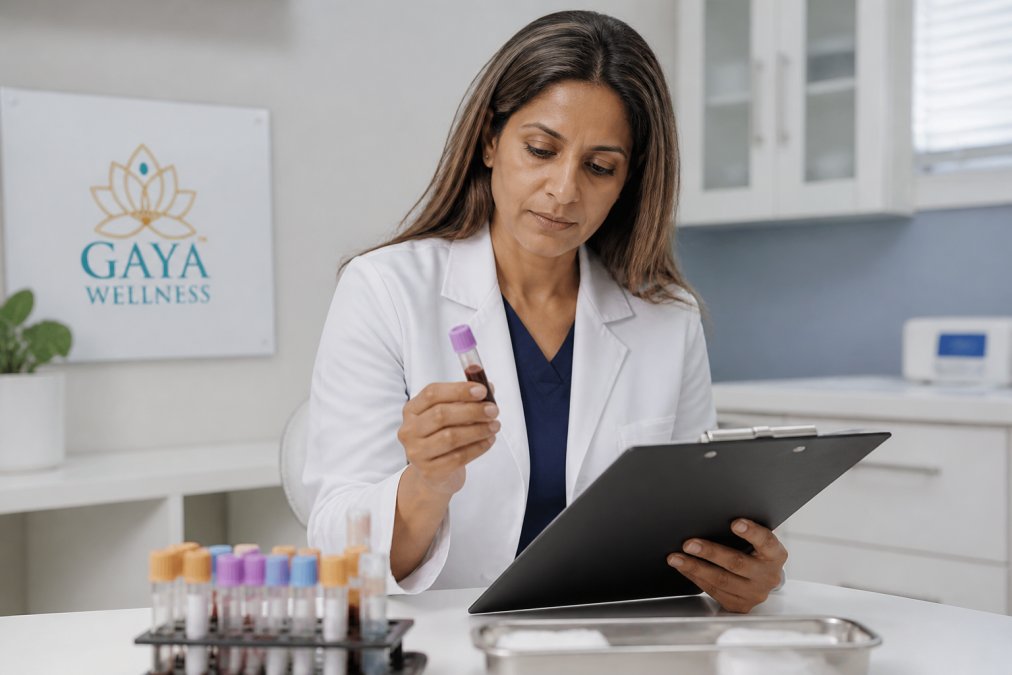
Hormone testing is the foundation of any effective hormone optimization plan. Without testing, you’re making decisions based on guesswork. With testing, you have objective data that guides treatment.
Key Hormones to Measure
Estrogen is the primary focus; its decline triggers hot flashes, vaginal dryness, and bone density loss. Estrogen exists in three forms (estrone, estradiol, and estriol), and each contributes differently to your symptoms and health. Progesterone regulates sleep, mood, and anxiety. When progesterone drops, sleep becomes fragmented and anxiety often increases. Testosterone plays a critical role in energy, libido, muscle strength, and cognitive function. Women need optimal levels for their individual physiology.
Thyroid hormones (TSH, free T3, free T4) should always be tested alongside sex hormones, as thyroid dysfunction mimics menopausal symptoms so closely that many women are misdiagnosed. Cortisol, your primary stress hormone, influences metabolism, sleep, and immune function. Chronic stress elevates cortisol, which suppresses progesterone and interferes with estrogen metabolism.
Why Testing Matters for Your Plan
Testing transforms hormone optimization from guesswork into a precision approach. Without testing, a doctor might recommend a standard dose of estrogen replacement. With testing, you learn whether you need estrogen, what form works best, and what dose will address your symptoms. Testing also reveals patterns that symptoms alone can’t show. A woman might report fatigue and assume she needs higher estrogen, but testing reveals her cortisol is elevated and her progesterone is nearly absent. The treatment plan shifts accordingly. Over time, repeat testing shows whether your levels are in the optimal range or whether adjustments are needed.
| Hormone | Primary Function | Common Symptoms When Low |
|---|---|---|
| Estrogen | Bone health, cognitive function, skin elasticity | Hot flashes, vaginal dryness, brain fog |
| Progesterone | Sleep regulation, mood stability, anxiety control | Insomnia, anxiety, mood swings |
| Testosterone | Energy, libido, muscle strength, focus | Fatigue, low desire, weakness, brain fog |
| Thyroid (TSH/T3/T4) | Metabolism, energy, temperature regulation | Fatigue, weight gain, cold intolerance |
| Cortisol | Stress response, metabolism, immune function | Fatigue, anxiety, poor sleep, weight gain |
Bioidentical Hormone Replacement Therapy Benefits
Bioidentical hormone replacement therapy (BHRT) uses hormones that are chemically identical to those your body produces naturally. This is distinct from synthetic hormones, which have a different chemical structure and can produce different effects in your body.
How Bioidentical Hormones Differ
Bioidentical hormones are chemically identical to what your ovaries produce, so your body recognizes them as “self.” Synthetic hormones, while effective, have a different structure that your body processes differently. Bioidentical hormones can be compounded at different doses and in different delivery forms (creams, pellets, capsules, or patches) tailored to your specific needs.
Real Outcomes from Hormone Therapy
According to research from the AARP Public Policy Institute and NORC at the University of Chicago, each year from 2016 to 2021, an estimated 2.1 million women between the ages of 45 and 64 sought treatment for menopausal symptoms. Over 1.4 million women (approximately two-thirds) received an HRT prescription, and the majority reported meaningful symptom relief. Women consistently report improvements in sleep quality, energy levels, mood stability, cognitive clarity, and metabolic function after starting appropriate hormone therapy, typically within 2-4 weeks for some symptoms and 8-12 weeks for others.
Bioidentical hormones can be customized to your individual needs through compounding pharmacies, allowing for doses and delivery methods that mass-produced synthetic hormones can’t match. This flexibility often leads to better outcomes and fewer side effects.
The Role of Estrogen, Progesterone, and Testosterone
Understanding what each hormone does in your body helps explain why their decline creates widespread symptoms. These three hormones interact with each other and with dozens of other systems in your body.
Estrogen’s Impact on Energy and Bone Health
Estrogen is essential for bone health, cardiovascular function, cognitive clarity, and skin elasticity. Bone density is perhaps the most critical function, estrogen signals your bones to retain calcium and minerals. When estrogen drops, bone loss accelerates, and a woman can lose 10-20% of her bone density in the decade following menopause if estrogen isn’t adequately replaced. Cognitively, estrogen supports memory, attention, and processing speed. Women often report that brain fog lifts within weeks of starting estrogen replacement. Energy and metabolism are also estrogen-dependent. When estrogen drops, metabolism slows and fat storage shifts toward the abdomen, which is why so many women gain weight during perimenopause despite eating and exercising the same way.
Progesterone and Sleep Quality
Progesterone activates GABA receptors in your brain, which promote relaxation and sleep. When progesterone drops, sleep becomes fragmented and shallow. Many women wake at 3 a.m. and can’t fall back asleep, a classic sign of progesterone deficiency. Restore progesterone, and sleep often improves dramatically within 1-2 weeks. Progesterone also regulates anxiety, low progesterone is associated with increased anxiety, panic, and obsessive thinking. Women often don’t connect their anxiety to hormones, but testing often reveals that progesterone is the missing piece.
Testosterone for Women: Strength and Libido
Testosterone is essential for women, though often overlooked. Women produce testosterone in their ovaries and adrenal glands, and it plays a crucial role in energy, libido, muscle strength, bone density, and cognitive function. When testosterone drops, women often experience fatigue, loss of libido, difficulty building muscle, and difficulty concentrating. Restoring testosterone often revives libido within 4-8 weeks and can feel like regaining a part of yourself you didn’t realize you’d lost.
Is Hormone Optimization Right for You? Candidate Assessment
Not every woman needs hormone replacement therapy, but many more women are candidates than currently receive treatment. The decision should be based on your symptoms, test results, health history, and personal preferences.
Signs You May Benefit from Treatment
If you’re experiencing multiple symptoms from the following, you’re likely a candidate for hormone optimization: hot flashes and night sweats that disrupt your daily life or sleep; vaginal dryness affecting comfort or intimacy; sleep disruption lasting more than a few weeks, particularly if you wake at consistent times; brain fog, memory problems, or difficulty concentrating; mood changes, irritability, anxiety, or depression that emerged during perimenopause; weight gain despite diet and exercise consistency; fatigue that doesn’t improve with sleep or rest; or low libido or difficulty with sexual function.
Safety Considerations and Risk Factors
Hormone replacement therapy is safe for most women when prescribed appropriately. The initial fear around HRT stemmed from the Women’s Health Initiative study published in 2002, but subsequent reanalyses have recontextualized these findings significantly. In November 2025, the FDA removed black box warnings related to cardiovascular disease, breast cancer, and dementia from estrogen-containing products, citing newer evidence that benefits may outweigh risks when therapy begins within 10 years of menopause onset.
Certain risk factors warrant caution. A personal history of estrogen-dependent breast cancer generally contraindicates estrogen therapy, though progesterone-only or testosterone therapy might still be options. Active blood clots or a history of stroke require careful evaluation. Most women can safely use hormone therapy if monitored appropriately through baseline evaluation before starting therapy and repeat testing after 6-8 weeks to ensure optimal levels.
If you have a personal history of estrogen-dependent breast cancer, blood clotting disorders, or recent stroke, hormone therapy requires specialized evaluation. These situations don’t automatically rule out treatment, but they require individualized assessment by a qualified healthcare provider familiar with these conditions.
Nutritional Support and Long-Term Maintenance
Hormone therapy works best when combined with nutritional support and lifestyle optimization. The right foods, supplements, and habits amplify the benefits of hormone therapy and support long-term hormonal health.
Supplements and Dietary Approaches
Calcium and vitamin D are essential for bone health, particularly important during perimenopause when bone loss accelerates. Most women benefit from 1,000-1,200 mg of calcium daily and 1,000-2,000 IU of vitamin D. B vitamins support energy metabolism and mood regulation. Magnesium supports sleep quality, muscle relaxation, and stress resilience, with typical doses ranging from 300-400 mg daily. A diet rich in phytoestrogens, plant compounds with mild estrogenic effects, can support hormonal balance. These are found in soy products, legumes, flaxseeds, and whole grains. Protein intake becomes increasingly important during perimenopause, with most women benefiting from 0.8-1.0 grams of protein per pound of body weight daily to support muscle maintenance.
Tapering and Ongoing Monitoring
Hormone therapy isn’t necessarily lifelong. For some women, symptoms resolve within 2-3 years of treatment, and therapy can be gradually tapered. For others, symptoms return if therapy is stopped, and long-term treatment is appropriate. Tapering is typically done gradually, reducing dose by 25% every 3-6 months, rather than stopping abruptly. Ongoing monitoring is essential regardless of whether you’re maintaining, tapering, or stopping therapy. Regular check-ins with your provider ensure your treatment remains appropriate. Lab testing every 6-12 months tracks your hormone levels and guides any adjustments.
| Phase | Duration | Typical Approach | Monitoring |
|---|---|---|---|
| Initial Treatment | 6-12 weeks | Establish dose, monitor response | Labs at 6-8 weeks |
| Optimization | 3-12 months | Adjust dose based on symptoms and labs | Labs every 3-6 months |
| Maintenance | Variable (months to years) | Stable dose, symptom management | Labs every 6-12 months |
| Tapering | 6-12 months | Gradual dose reduction (25% every 3-6 months) | Labs before each reduction |
Moving Forward with Confidence
The shift in hormone therapy use over the past decade reflects a fundamental change in how women approach their health. Women are no longer accepting that perimenopause and menopause require suffering. Approximately 49% of women aged 40 to 55 years in 2025 believe the benefits of hormone therapy outweigh the risks (compared to 38% in 2021), according to Pharmacy Times’ 2025 perception study.
If you’re experiencing symptoms of perimenopause or menopause, the first step is evaluation. This means honest conversation with a healthcare provider who takes your symptoms seriously and is willing to order appropriate testing. Your symptoms are real, they’re not simply “part of aging,” and they’re treatable. At GAYA Wellness, we specialize in exactly this work. Our approach combines comprehensive hormone testing, personalized treatment plans based on your unique hormonal archetype, and ongoing monitoring to ensure your therapy remains optimal. The evidence is clear: hormone optimization works. Women report improvements in sleep, energy, mood, cognitive function, metabolic health, and quality of life.
=== FAQ ANSWERS (audit these too, same rules) ===
[1] Q: How do I know if I have a hormonal imbalance at 40?
A: Common signs include irregular periods, hot flashes, night sweats, weight gain despite diet and exercise, mood changes, and fatigue. About 75% of menopausal women experience hot flashes, and nearly 20% seek prescription treatment. The most reliable way to confirm hormonal imbalance is through blood testing that measures estrogen, progesterone, testosterone, and thyroid function. A qualified healthcare provider can interpret these results in the context of your symptoms and personal health history.
[2] Q: What is the difference between perimenopause symptom management and menopause treatment?
A: Perimenopause symptom management focuses on the transition phase when hormone levels fluctuate unpredictably, typically lasting 4-10 years. Treatments during this phase address irregular periods, hot flashes, and mood changes as they occur. Menopause treatment begins after 12 consecutive months without a period and often takes a longer-term approach to bone health, cardiovascular protection, and sustained symptom relief. Both benefit from personalized hormone testing and tailored interventions based on your specific hormone levels and symptoms.
[3] Q: Are bioidentical hormone replacement therapy benefits proven, or is this just marketing?
A: Bioidentical hormone replacement therapy has clinical support, particularly when started within 10 years of menopause onset. In November 2025, the FDA removed black box warnings from estrogen-containing products, citing newer evidence that benefits may outweigh risks for appropriate candidates. Real patient outcomes show significant improvements in sleep, energy, mood, and relief from hot flashes and vaginal dryness. However, therapy is not one-size-fits-all. Your candidacy depends on your personal health history, hormone levels, and symptom severity, which is why lab-based personalization matters.
[4] Q: Should I start hormone optimization if I’m only mildly uncomfortable?
A: That depends on your specific symptoms and goals. Some women with mild symptoms find that lifestyle changes, sleep optimization, stress management, and targeted nutrition, provide adequate relief. Others with the same symptom level choose therapy for preventative benefits like bone density maintenance or cardiovascular protection. Hormone therapy use among women aged 45-54 nearly tripled from 24 per 1,000 women in 2017 to 68 per 1,000 in 2026, suggesting more women are choosing treatment earlier. A consultation with a qualified provider who reviews your labs and listens to your goals is the best way to decide.
[5] Q: What risks should I know about before starting hormone therapy?
A: Historically, concerns about breast cancer, heart disease, and stroke stemmed from the 2002 Women’s Health Initiative study. Reanalyses have shown those risks were overstated for women starting therapy early in menopause. Current evidence suggests risks are lower when therapy begins within 10 years of menopause onset and when using appropriate doses and routes of administration. Common side effects include breast tenderness, bloating, and mood changes, which often resolve with dose adjustment. Your personal risk factors, family history, smoking status, prior blood clots, must be evaluated individually before starting therapy.
[6] Q: How long do I need to stay on hormone therapy?
A: Duration varies based on your goals and symptoms. Some women use therapy short-term to manage acute symptoms like hot flashes, while others continue longer for bone health and cardiovascular protection. Long-term maintenance requires ongoing monitoring through lab testing and symptom assessment. Tapering should be gradual and supervised by your healthcare provider to avoid symptom recurrence. There is no universal timeline; your plan should reflect your individual needs, risk profile, and therapeutic goals.
[7] Q: Can nutrition and supplements replace hormone therapy?
A: Nutrition and supplements play an important supporting role in hormone optimization but are not a complete replacement for therapy in moderate-to-severe cases. A balanced diet rich in phytoestrogens (soy, flaxseed), adequate protein, and micronutrients like magnesium and vitamin D can help manage symptoms and support bone health. Some women benefit from targeted supplements like black cohosh or sage leaf extract. However, for women with significant symptom burden or hormone deficiency, these approaches alone typically provide insufficient relief. The most effective strategy combines personalized hormone therapy with nutritional support and lifestyle optimization.
Frequently Asked Questions
Q: How do I know if I have a hormonal imbalance at 40?
A: Common signs include irregular periods, hot flashes, night sweats, weight gain despite diet and exercise, mood changes, and fatigue. About 75% of menopausal women experience hot flashes, and nearly 20% seek prescription treatment. The most reliable way to confirm hormonal imbalance is through blood testing that measures estrogen, progesterone, testosterone, and thyroid function. A qualified healthcare provider can interpret these results in the context of your symptoms and personal health history.
Q: What is the difference between perimenopause symptom management and menopause treatment?
A: Perimenopause symptom management focuses on the transition phase when hormone levels fluctuate unpredictably, typically lasting 4-10 years. Treatments during this phase address irregular periods, hot flashes, and mood changes as they occur. Menopause treatment begins after 12 consecutive months without a period and often takes a longer-term approach to bone health, cardiovascular protection, and sustained symptom relief. Both benefit from personalized hormone testing and tailored interventions based on your specific hormone levels and symptoms.
Q: Are bioidentical hormone replacement therapy benefits proven, or is this just marketing?
A: Bioidentical hormone replacement therapy has clinical support, particularly when started within 10 years of menopause onset. In November 2025, the FDA removed black box warnings from estrogen-containing products, citing newer evidence that benefits may outweigh risks for appropriate candidates. Real patient outcomes show significant improvements in sleep, energy, mood, and relief from hot flashes and vaginal dryness. However, therapy is not one-size-fits-all. Your candidacy depends on your personal health history, hormone levels, and symptom severity, which is why lab-based personalization matters.
Q: Should I start hormone optimization if I’m only mildly uncomfortable?
A: That depends on your specific symptoms and goals. Some women with mild symptoms find that lifestyle changes, sleep optimization, stress management, and targeted nutrition, provide adequate relief. Others with the same symptom level choose therapy for preventative benefits like bone density maintenance or cardiovascular protection. Hormone therapy use among women aged 45-54 nearly tripled from 24 per 1,000 women in 2017 to 68 per 1,000 in 2026, suggesting more women are choosing treatment earlier. A consultation with a qualified provider who reviews your labs and listens to your goals is the best way to decide.
Q: What risks should I know about before starting hormone therapy?
A: Historically, concerns about breast cancer, heart disease, and stroke stemmed from the 2002 Women’s Health Initiative study. Reanalyses have shown those risks were overstated for women starting therapy early in menopause. Current evidence suggests risks are lower when therapy begins within 10 years of menopause onset and when using appropriate doses and routes of administration. Common side effects include breast tenderness, bloating, and mood changes, which often resolve with dose adjustment. Your personal risk factors, family history, smoking status, prior blood clots, must be evaluated individually before starting therapy.
Q: How long do I need to stay on hormone therapy?
A: Duration varies based on your goals and symptoms. Some women use therapy short-term to manage acute symptoms like hot flashes, while others continue longer for bone health and cardiovascular protection. Long-term maintenance requires ongoing monitoring through lab testing and symptom assessment. Tapering should be gradual and supervised by your healthcare provider to avoid symptom recurrence. There is no universal timeline; your plan should reflect your individual needs, risk profile, and therapeutic goals.
Q: Can nutrition and supplements replace hormone therapy?
A: Nutrition and supplements play an important supporting role in hormone optimization but are not a complete replacement for therapy in moderate-to-severe cases. A balanced diet rich in phytoestrogens (soy, flaxseed), adequate protein, and micronutrients like magnesium and vitamin D can help manage symptoms and support bone health. Some women benefit from targeted supplements like black cohosh or sage leaf extract. However, for women with significant symptom burden or hormone deficiency, these approaches alone typically provide insufficient relief. The most effective strategy combines personalized hormone therapy with nutritional support and lifestyle optimization.
Hormone optimization for women over 40 starts with one decision: to stop accepting symptoms as inevitable and to start pursuing a clear, data-driven plan tailored to your needs. Book a consultation with GAYA Wellness to discuss your symptoms, review testing options, and explore whether hormone optimization is right for you. Our board-certified OB/GYN team is ready to listen, evaluate, and create a personalized path forward, because you deserve to feel like yourself again.
This article was written using GrandRanker