
Table of Contents
- Why Longevity in Women Needs a Different Plan
- Step 1: Build the Exercise for Longevity in Women Habit
- Step 2: Eat for Muscle, Bone, and Metabolic Health
- Step 3: Understand Menopause and Longevity
- Step 4: Learn How to Prevent Bone Density Loss After 50
- Step 5: Schedule Preventive Health Screenings for Women Over 50
- Step 6: Manage Sleep, Stress, and Lab-Based Follow-Up
- Common Mistakes That Undermine Longevity in Women
- Frequently Asked Questions
Last Updated: October 21, 2026
Why Longevity in Women Needs a Different Plan
Longevity in women is not a scaled-down version of men’s health advice. It is a distinct field shaped by hormones, bone structure, and the timing of menopause, and it demands its own plan. The Global Wellness Summit’s trend report on women’s longevity makes the case plainly: strength training is non-negotiable, and lifestyle choices interact with reproductive aging in ways that deserve sex-specific attention.
Here is the part most guides skip. Women spend roughly a third of their lives after menopause, and the habits that protect that stretch look different from the ones that protect a 30-year-old.
At GAYA Wellness, we build longevity plans around labs, symptoms, and goals rather than generic checklists. Below, we walk through six steps in order, from the gym to the lab report. Each one explains why it matters, not just what to do.
The single biggest lever for midlife health is muscle. Bone density, metabolic health, and fall risk all follow from it.
Step 1: Build the Exercise for Longevity in Women Habit
Exercise for longevity in women starts with resistance training, not cardio. Muscle is metabolically active tissue, and it is the tissue midlife hormones work against. Build two to three strength sessions into each week before adding anything else.
Strength Training: The Non-Negotiable
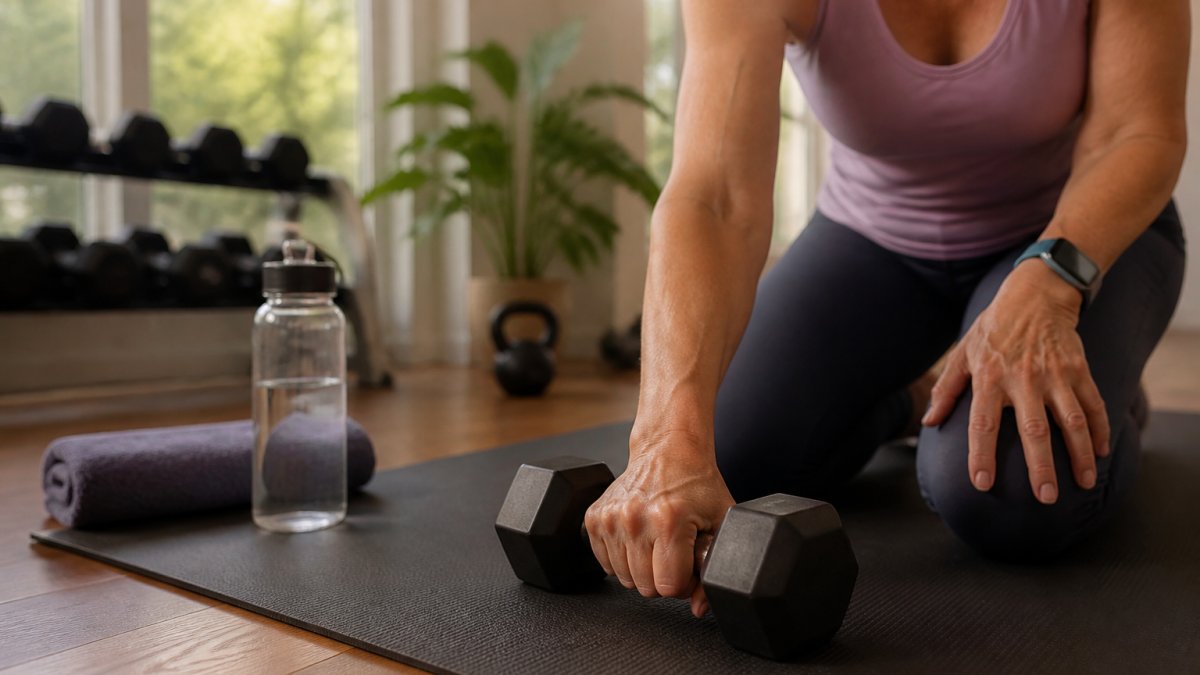
Lift something heavy enough to challenge you. Bodyweight squats and light dumbbells feel productive but rarely build bone. Aim for progressive loads: more weight, more reps, or more sets over time. Compound movements like squats, hinges, presses, and rows cover the most ground per session.
Cardio, Mobility, and Recovery
Cardio protects your heart and helps manage weight. Keep most of it easy, with one or two harder sessions weekly. Mobility work keeps joints moving, and recovery days are where adaptation actually happens. Sleep and rest days are training, not time off.
Step 2: Eat for Muscle, Bone, and Metabolic Health
Protein is the backbone of any eating plan for longevity in women. Stanford Medicine’s guide to healthy habits in your 40s and 50s recommends a balanced diet with increased protein intake, alongside preventive care. Spread protein across meals rather than loading it at dinner.
Build plates around these:
- A palm-sized protein source at every meal
- Calcium and vitamin D for bone support
- Fiber-rich vegetables and whole grains
- Healthy fats from nuts, olive oil, and fish
A common mistake is cutting calories hard to lose weight. That approach often costs muscle, which is the opposite of what midlife bodies need. Eat enough, lift enough, and let the scale move slowly.
Step 3: Understand Menopause and Longevity
Menopause and longevity are linked more tightly than most women are told. The drop in estrogen affects bone, heart, and metabolic health at the same time. That is why the years around menopause are a window for building habits, not a reason to give up on them. Consistent resistance training serves as a primary defense against these physiological shifts, making the selection of appropriate home gym equipment a foundational step in securing long-term vitality.
Symptoms are information. Hot flashes, sleep disruption, and stubborn weight gain often point to hormonal shifts worth evaluating with labs rather than guessing. GAYA Wellness uses a proprietary Hormonal Archetype™ framework to match plans to each woman’s pattern.
Ask for a full lab panel, not just a single hormone test. Context changes the interpretation.
Step 4: Learn How to Prevent Bone Density Loss After 50
To prevent bone density loss after 50, combine load-bearing exercise with adequate calcium and vitamin D, then confirm progress with a bone density scan. Bone responds to stress. If you never load your skeleton, it has no reason to stay strong.
Practical steps:
- Lift weights two to three times weekly
- Walk or hike on varied terrain
- Include balance work to reduce fall risk
- Get calcium from food first, supplements second
Posture matters too. Rows and carries train the muscles that support your spine. If you have never lifted, start with a coach or a clinician-guided plan.
Step 5: Schedule Preventive Health Screenings for Women Over 50
Preventive health screenings for women over 50 are the cheapest insurance against late diagnosis. Stanford Medicine’s healthy-aging guidance notes that women should begin regular mammograms at age 40 and screen every other year. Ask your clinician which schedule fits your history.
| Screening | Typical Schedule | Why It Matters |
|---|---|---|
| Mammogram | From age 40, every other year | Early breast cancer detection |
| Bone density scan | Discuss timing with your clinician | Catches bone loss early |
| Colon cancer screening | Per clinician guidance | Detects polyps before cancer |
| Blood pressure and lipids | Yearly or as advised | Heart disease risk |
| Blood glucose | Yearly or as advised | Metabolic health |
Screening schedules vary by personal and family history. Treat the table as a starting point, not a prescription.
Step 6: Manage Sleep, Stress, and Lab-Based Follow-Up
Sleep and stress control the hormones that control everything else. Poor sleep raises cortisol, which works against muscle and promotes fat storage around the middle. Aim for seven to nine hours and a consistent bedtime.
Then close the loop with data. A plan without follow-up is a guess. Repeat labs on a schedule your clinician sets, track symptoms in a simple log, and adjust based on results rather than how you feel on any given week. GAYA Wellness builds this follow-up into its concierge care, so adjustments happen with evidence in hand.
Skipping follow-up labs after starting hormone or weight plans is the most common mistake we see. Without repeat testing, you cannot tell what is working.
Common Mistakes That Undermine Longevity in Women
The biggest mistake is waiting for a crisis to start. Longevity care works best as a series of small, tracked adjustments made years before symptoms become urgent. Start now, imperfectly, rather than perfectly later.
Others we see often:
- Doing only cardio and skipping strength work
- Cutting calories so hard that muscle goes first
- Ignoring sleep as a health variable
- Treating menopause as something to push through
- Skipping screenings because you feel fine
Feeling fine is not data. Labs and scans are.
Frequently Asked Questions
What are the best ways for women to improve longevity?
Start with strength training two to three times a week, a protein-forward diet, and regular lab work to track hormones and metabolic markers. The Global Wellness Summit calls strength training a non-negotiable for women’s longevity. Add preventive screenings, sleep hygiene, and a clinician who reviews your numbers over time rather than treating symptoms in isolation.
How does menopause affect women’s long-term health?
The drop in estrogen during menopause and longevity are directly linked: estrogen supports bone density, cardiovascular health, and muscle maintenance. When it falls, the rate of bone loss accelerates, cholesterol profiles can shift, and lean muscle becomes harder to hold. That is why menopause care is longevity care. A lab-based plan that tracks hormone levels, bone health, and metabolic markers helps you address these changes early instead of waiting for a fracture or a diagnosis.
What health screenings should women discuss with their doctor after 50?
Stanford Medicine recommends women begin regular mammograms at age 40 and screen every other year. After 50, also ask about bone density testing, colorectal cancer screening, cholesterol and blood glucose panels, and thyroid function. Blood pressure checks should happen at every visit. Bring your family history to the conversation, because it shapes which preventive health screenings for women over 50 your clinician prioritizes and how often you repeat them.
How can I prevent bone density loss after 50?
Weight-bearing exercise, adequate protein and calcium intake, vitamin D status, and hormone review are the core levers. Strength training stresses bone in a way that signals it to stay dense, which is why it pairs with the exercise for longevity in women recommendations above. Ask for a bone density scan if you have not had one, and discuss whether hormone optimization is appropriate for your situation with a qualified clinician who reviews your labs.
Midlife health gets harder to steer the longer you wait, and guessing wastes the years that matter most. GAYA Wellness offers concierge virtual and in-office OB/GYN care led by board-certified OB/GYN and U.S. Navy veteran Dr. Shweta Patel, with personalized plans built from your labs, symptoms, and goals. Book a consult with GAYA Wellness and start following a clear, lab-based plan instead of another guess.