

Table of Contents
- What Are Nouvelle Women’s Health Alternatives?
- How to Book a Virtual Gyn Consultation: What to Expect
- Concierge Menopause Care Benefits vs. Traditional Insurance Models
- Data-Driven Hormone Optimization: Evidence-Based vs. Conventional Approaches
- Top Women’s Health Alternatives for Menopause and Perimenopause
- Integrative and Functional Medicine Approaches to Women’s Health
- How to Choose the Right Alternative for Your Needs
- Conclusion
Last Updated: August 29, 2026
What Are Nouvelle Women’s Health Alternatives?
Nouvelle women’s health alternatives represent a fundamental shift toward personalized, data-driven care for perimenopause, menopause, and beyond. These platforms move beyond one-size-fits-all approaches, connecting women with specialists who understand that estrogen affects heart health, cognitive function, bone integrity, and blood sugar balance, not just reproduction.
The market reflects this shift. According to Grand View Research’s 2026 menopause market analysis, the global menopause market was valued at USD 18.7 billion in 2025 and is projected to reach USD 19.7 billion in 2026, growing at a 5.6% compound annual growth rate through 2033. By 2030, approximately 65 million women in the country will be in one of the three stages of menopause, roughly 35% of all women (grandviewresearch.com). Yet women’s health receives only about 5% of total healthcare research and development funding despite accounting for roughly half the global population.
At GAYA Wellness, we’ve seen firsthand how women respond when they encounter providers who listen, order comprehensive labs, and build treatment plans around individual hormonal archetypes rather than generic protocols. These alternatives come in several forms: concierge practices offering personalized hormone optimization, telehealth platforms specializing in menopause care, integrative medicine approaches, and direct-to-consumer subscription models.
Nouvelle women’s health alternatives represent a market-wide shift toward personalized, data-driven care for women 40+, addressing a care gap where women have historically felt dismissed or underserved by conventional medicine.
How to Book a Virtual Gyn Consultation: What to Expect
Booking a virtual gynecology consultation through a nouvelle women’s health platform is straightforward. You’ll complete a detailed health history, describe your current symptoms, and clarify your health goals. This upfront information allows the provider to arrive prepared with relevant lab recommendations and treatment options tailored to your situation.

Expect a consultation that feels different from a typical 15-minute office visit. Board-certified OB/GYNs specializing in women’s health take time to understand your complete picture: menstrual history, family health patterns, lifestyle, stress levels, and the full constellation of perimenopause and menopause symptoms that conventional providers often overlook, cognitive changes, mood shifts, sleep disruption, joint pain, and weight changes.
During the consultation, the provider will likely recommend specific lab work: hormone levels (estradiol, progesterone, FSH), thyroid function, metabolic markers, and sometimes advanced testing like bone density screening. Some platforms, including GAYA Wellness, include preventative health labs and imaging in their membership tiers, eliminating separate test costs.
After your visit, you’ll receive a personalized treatment plan, documented, specific, and tracked over time. This might include hormone replacement therapy options, lifestyle modifications, supplement recommendations, or specialist referrals.
Schedule your first consultation when you can dedicate 45-60 minutes without interruption. Have your symptom history written down, including when symptoms started and what (if anything) has helped. This preparation accelerates diagnosis and enables immediate recommendations.
Concierge Menopause Care Benefits vs. Traditional Insurance Models
Traditional insurance-based gynecology follows a volume model. Your provider sees 20-30 patients per day, spending 10-15 minutes per visit. Many women report feeling rushed, unheard, or dismissed entirely.
Concierge menopause care operates on a membership model. You pay a monthly or annual fee for access to a board-certified OB/GYN who dedicates significantly more time to your care. These providers typically see 5-10 patients per day, allowing 45-60 minute initial consultations and 20-30 minute follow-ups. They order comprehensive labs without insurance restrictions and adjust treatment plans based on your response rather than waiting months for the next appointment.

While concierge memberships represent an upfront cost, they often eliminate surprise bills, include lab work and imaging, and reduce total out-of-pocket expense when you factor in medication optimization and faster symptom resolution. A 2026 Hone Health survey found that nearly 90% of women reported menopause symptoms impacting their work performance, with 68% losing up to 10 hours of productivity per week. When a concierge provider resolves your symptoms in weeks instead of months, the return on investment becomes clear.
| Model | Time per Visit | Lab Access | Treatment Timeline | Best For |
|---|---|---|---|---|
| Traditional Insurance | 10-15 minutes | Insurance-limited | 6+ months | Women with excellent coverage and flexible expectations |
| Concierge Membership | 45-60 minutes initial | Comprehensive | 2-4 weeks | Women prioritizing speed, personalization, and symptom resolution |
If you choose traditional insurance-based care, don’t assume your current gynecologist specializes in menopause. Ask directly about menopause expertise during your first appointment to prevent months of inadequate care.
Data-Driven Hormone Optimization: Evidence-Based vs. Conventional Approaches
In November 2025, the FDA initiated removal of “black box” warnings from menopausal hormone therapy products, reflecting newer evidence suggesting that benefits may outweigh risks when therapy begins within 10 years of menopause onset. This policy shift acknowledges what specialists have known for years: the 2002 Women’s Health Initiative study has been misinterpreted and overgeneralized.
Evidence-based hormone optimization starts with comprehensive lab work. Rather than prescribing a standard combination, data-driven providers test your current hormone levels, assess metabolic markers, evaluate cardiovascular risk, and review family history. They then recommend specific formulations, estradiol patches, bioidentical progesterone, or other options, calibrated to your individual needs.
Recent research strengthens the case for evidence-based HRT. Two newly released studies suggest that menopause hormone therapy may protect against Alzheimer’s disease. One study found that women who underwent menopausal hormone therapy for six years or more were 79% less likely to develop Alzheimer’s and 77% less likely to develop any neurodegenerative disease.
Hormone therapy isn’t one-size-fits-all. Some women thrive on oral estradiol; others respond better to patches. Some need progesterone; most conventional providers don’t even consider testosterone. A data-driven approach accounts for these variations, testing and adjusting until you find the formulation that resolves your symptoms and optimizes your labs.
Evidence-based hormone optimization uses comprehensive lab work and ongoing monitoring to personalize HRT, rather than prescribing a standard dose and hoping it works. The FDA’s 2025 policy change reflects growing recognition that appropriately managed hormone therapy offers significant benefits for women in early menopause.
Top Women’s Health Alternatives for Menopause and Perimenopause
The market for menopause-focused care has expanded dramatically, offering women genuine alternatives to traditional gynecology.
GAYA Wellness: Concierge Care with Proprietary Hormonal Archetype Framework
GAYA Wellness stands out for its comprehensive, data-driven approach to women’s health in the second half of life. Led by board-certified OB/GYN and U.S. Navy veteran Dr. Shweta Patel, the practice combines hormone optimization, medical weight loss, and longevity medicine into personalized plans based on your unique hormonal archetype.
Rather than treating all women with similar symptoms identically, the proprietary Hormonal Archetype framework categorizes hormonal patterns and tailors treatment accordingly. Your plan emerges from comprehensive lab work, detailed symptom assessment, and your specific health goals. The platform integrates digital tools for real-world tracking, including the Hormonoscope for symptom tracking and forecasting, and the Macro Meal Builder connecting nutrition to hormonal needs. Preventative health labs and imaging scans are included in membership tiers, eliminating separate billing.
GAYA Wellness accepts both virtual and in-office consultations.
Best for: Women seeking comprehensive, concierge-level virtual care for perimenopause and menopause with personalized, lab-based hormone optimization and medical weight loss support.
Evernow: Affordable, Accessible Menopause-Focused Telehealth
Evernow prioritizes accessibility and affordability without sacrificing clinical expertise. The platform specializes exclusively in menopause and perimenopause, connecting women with licensed menopause clinicians who develop personalized care plans.
The membership model starts at $29 per month, making specialized menopause care accessible to women who can’t afford concierge practices. Unlimited ongoing support through messaging with a menopause clinician is included. Optional insurance-eligible virtual visits are available for those who want synchronous consultations. Prescriptions can be filled through local pharmacies or delivered directly to your home, and the platform doesn’t require bloodwork for initial membership activation. aesthetic treatments for women.
Best for: Women seeking affordable, accessible virtual menopause care with flexible medication options and ongoing clinician support without the cost of concierge membership.
Alloy Women’s Health: Comprehensive Midlife Care Beyond HRT
Alloy Women’s Health expands the menopause conversation beyond hormone replacement therapy alone, addressing hormonal management, weight care, skin health, sexual health, hair and lash health, and gut health.
The membership model, starting at $199 per month, includes basic lab testing for most plans. The platform employs menopause-trained doctors available 24/7 through messaging. Alloy’s approach to weight care reflects current evidence, offering GLP-1 weight care solutions specifically tailored for midlife women. The platform accepts FSA and HSA cards with transparent, direct-pay pricing.
Best for: Women seeking comprehensive midlife health solutions beyond HRT, including weight management and sexual health support, with preference for direct-pay models and 24/7 clinician access.
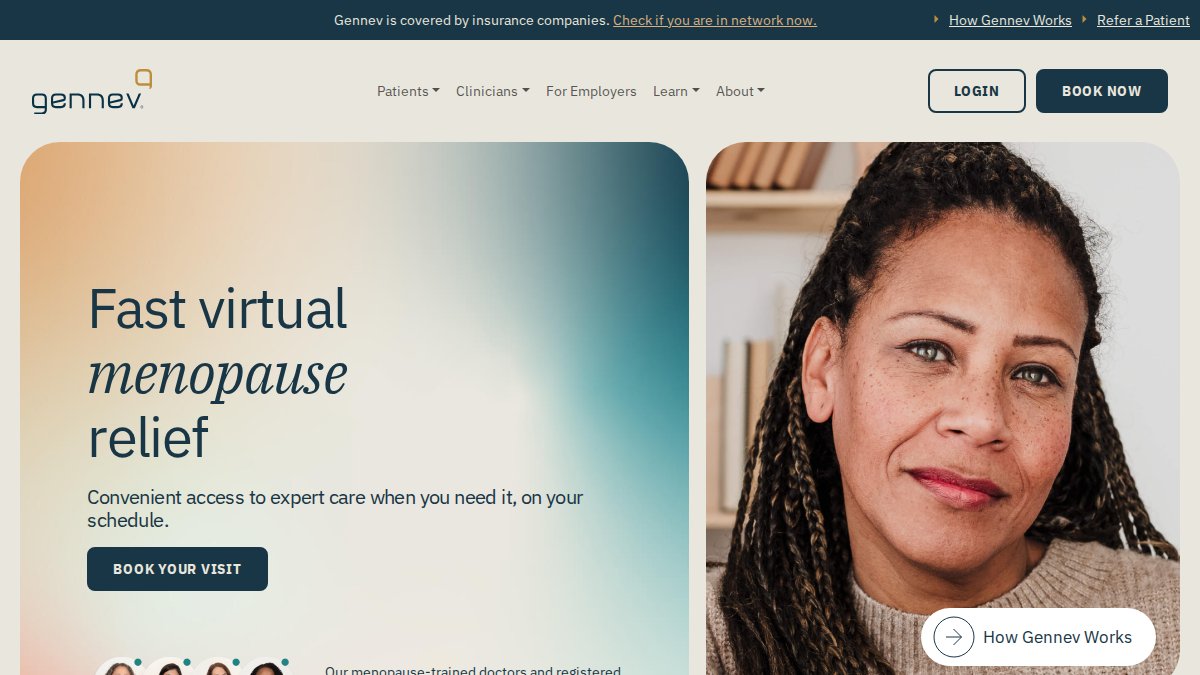
Gennev: Insurance-Integrated Menopause Specialists
Gennev integrates with major insurance plans, connecting women with board-certified OB/GYNs specializing in menopause alongside registered dietitians. The insurance integration is significant for women with coverage through Aetna, Anthem, Cigna, or UnitedHealthcare. Doctor visits may be covered under standard insurance benefits, reducing out-of-pocket costs. Prescriptions are filled through your local pharmacy with transparent per-visit pricing ($250 for initial consultations, $199 for follow-ups for self-pay patients).
A limitation: Gennev is currently licensed in only 13 states as of July 2026, restricting access for women in other regions.
Best for: Women seeking virtual menopause care who want to use insurance for doctor and dietitian visits and prefer filling prescriptions through local pharmacies in states where Gennev operates.
Integrative and Functional Medicine Approaches to Women’s Health
Beyond hormone replacement therapy, integrative and functional medicine frameworks address menopause through comprehensive lifestyle, botanical, and targeted supplementation strategies. Functional medicine asks "Why is this symptom occurring?" rather than "What medication treats this symptom?" A functional medicine provider investigating hot flashes might examine insulin sensitivity, inflammatory markers, gut health, and stress resilience.
Integrative approaches commonly include acupuncture, which research suggests may reduce hot flash frequency and severity, and herbal medicine incorporating botanicals like black cohosh, sage, and red clover. The strongest integrative approaches combine evidence-based hormone therapy with lifestyle optimization, leveraging both to address acute symptom burden while supporting long-term health.
If you’re considering integrative approaches alongside hormone therapy, ensure your providers communicate. A functional medicine practitioner unfamiliar with your HRT regimen might recommend supplements that interact with your hormones. Coordination prevents complications and optimizes outcomes.
How to Choose the Right Alternative for Your Needs
Choosing among nouvelle women’s health alternatives requires clarity about your priorities, constraints, and health goals.
Start with your primary concern. Are you seeking rapid symptom relief from debilitating hot flashes? A telehealth platform specializing in menopause care might be your best fit. Are you struggling with weight gain and metabolic changes? You’ll want a provider offering medical weight loss integration. Are you seeking comprehensive longevity support? A concierge practice with broader scope makes sense.
Financial constraints matter. Concierge practices typically cost more upfront but may deliver better value when you account for comprehensive labs, imaging, and medication optimization. Telehealth platforms offer lower monthly fees but often bill separately for medications and labs. Insurance-integrated options reduce out-of-pocket costs if you have qualifying coverage.
Consider your comfort with technology and preference for interaction style. All nouvelle alternatives rely on virtual care, but the experience varies. Some platforms emphasize asynchronous messaging; others prioritize synchronous video visits. Evaluate the clinical expertise available. Board-certified OB/GYNs specializing in menopause deliver different care than general practitioners managing menopause as one of many conditions.
Finally, assess responsiveness to your objections. A provider who dismisses your concerns without addressing them directly is a red flag. The right alternative will listen to your hesitations, provide evidence-based context, and help you make informed decisions.
Choose based on your primary health goal, financial constraints, preferred interaction style, and need for clinical expertise. The best alternative for rapid symptom relief may differ from the best option for comprehensive longevity care.
Conclusion
The landscape of women’s health has shifted fundamentally. Women no longer need to accept dismissal, inadequate time with providers, or one-size-fits-all treatment protocols. Nouvelle women’s health alternatives, from concierge practices to specialized telehealth platforms to integrative medicine approaches, have created genuine options for women seeking personalized, evidence-based care during perimenopause, menopause, and beyond.
According to Boston Consulting Group’s 2025 women’s health analysis, if all women with moderate or severe menopause symptoms were to receive treatments that better address their needs, the potential market for menopause-related care could increase eightfold by 2030, to more than $40 billion. This reflects recognition that menopause care has been chronically underserved, and women deserve better.
The choice between alternatives depends on your specific situation: your symptom severity, financial resources, health goals, and preference for clinical interaction. Women who access specialized menopause care report feeling heard, supported, and empowered in ways traditional gynecology rarely provides.
GAYA Wellness exemplifies this shift. By combining board-certified OB/GYN expertise with the Hormonal Archetype framework, comprehensive lab-based assessment, and integration of hormone optimization with medical weight loss and longevity support, GAYA Wellness delivers the personalized, data-driven care women in their second half of life deserve.
Book a consultation with GAYA Wellness and experience the difference that specialized, personalized menopause care makes. Stop guessing. Start following a plan built for you.
=== FAQ ANSWERS (audit these too, same rules) ===
[1] Q: What should I look for in a menopause-specialized healthcare provider?
A: Seek a board-certified OB-GYN or provider with specific training in menopause management who takes a personalized approach. Look for evidence-based practices, willingness to discuss hormone replacement therapy (HRT) options, and providers who listen to your symptoms rather than dismissing them. Verify credentials through the American Board of Obstetrics and Gynecology (ABOG) or check for FACOG designation. The provider should order appropriate labs, discuss your individual risk factors, and tailor treatment to your specific hormonal archetype and health goals, not a one-size-fits-all approach.
[2] Q: How does a concierge virtual OB-GYN practice differ from a traditional clinic?
A: Concierge practices typically offer direct-pay or membership models with extended appointment times, direct messaging with your provider, and personalized care plans. Unlike traditional insurance-based clinics where you may wait weeks for an appointment and have limited time with your doctor, concierge models prioritize accessibility and continuity. Virtual concierge practices add convenience by eliminating travel time. The tradeoff is upfront cost, though many find the personalized attention, preventative focus, and faster response times justify the investment. Some concierge providers, like GAYA Wellness, include preventative labs and imaging in membership tiers.
[3] Q: Are virtual consultations for menopause as effective as in-person visits?
A: Virtual consultations are highly effective for menopause management, particularly for initial consultations, symptom assessment, and ongoing medication management. Telehealth platforms allow providers to review your labs, discuss symptoms in detail, and adjust treatment plans without the constraints of a traditional office visit. However, some women prefer in-person exams for comprehensive gynecologic care or physical assessments. Many modern practices, including concierge virtual OB-GYN services, offer hybrid models combining virtual consultations with occasional in-person visits when medically necessary. The key is finding a provider who takes thorough histories and uses data-driven approaches regardless of format.
[4] Q: What is the role of hormone optimization in perimenopause treatment?
A: Hormone optimization addresses the hormonal fluctuations that cause perimenopause and menopause symptoms, hot flashes, sleep disruption, mood changes, weight gain, and cognitive fog. Personalized hormone replacement therapy (HRT) restores hormone levels to relieve symptoms and support long-term health. Data-driven approaches use lab testing to measure your specific hormone levels and adjust treatment accordingly rather than guessing. Recent research, including FDA removal of certain black box warnings in November 2025, supports HRT benefits when started within 10 years of menopause onset. Hormone optimization may also include non-hormonal options like lifestyle medicine, botanicals, and acupuncture depending on your preferences and medical history.
[5] Q: How do I verify if a women’s health clinic is board-certified?
A: Check the provider’s credentials through the American Board of Obstetrics and Gynecology (ABOG) website, which lists board-certified OB-GYNs. Look for the FACOG designation (Fellow of the American College of Obstetricians and Gynecologists), which indicates membership in ACOG and adherence to clinical standards. Verify licensing through your state medical board’s website. For telehealth platforms, confirm that medical directors and consulting physicians are board-certified and licensed in your state. Ask the clinic directly about their providers’ certifications and training in menopause management. Reputable practices, like GAYA Wellness led by Dr. Shweta Patel, prominently display credentials and board certifications on their websites.
Frequently Asked Questions
Q: What should I look for in a menopause-specialized healthcare provider?
A: Seek a board-certified OB-GYN or provider with specific training in menopause management who takes a personalized approach. Look for evidence-based practices, willingness to discuss hormone replacement therapy (HRT) options, and providers who listen to your symptoms rather than dismissing them. Verify credentials through the American Board of Obstetrics and Gynecology (ABOG) or check for FACOG designation. The provider should order appropriate labs, discuss your individual risk factors, and tailor treatment to your specific hormonal archetype and health goals, not a one-size-fits-all approach.
Q: How does a concierge virtual OB-GYN practice differ from a traditional clinic?
A: Concierge practices typically offer direct-pay or membership models with extended appointment times, direct messaging with your provider, and personalized care plans. Unlike traditional insurance-based clinics where you may wait weeks for an appointment and have limited time with your doctor, concierge models prioritize accessibility and continuity. Virtual concierge practices add convenience by eliminating travel time. The tradeoff is upfront cost, though many find the personalized attention, preventative focus, and faster response times justify the investment. Some concierge providers, like GAYA Wellness, include preventative labs and imaging in membership tiers.
Q: Are virtual consultations for menopause as effective as in-person visits?
A: Virtual consultations are highly effective for menopause management, particularly for initial consultations, symptom assessment, and ongoing medication management. Telehealth platforms allow providers to review your labs, discuss symptoms in detail, and adjust treatment plans without the constraints of a traditional office visit. However, some women prefer in-person exams for comprehensive gynecologic care or physical assessments. Many modern practices, including concierge virtual OB-GYN services, offer hybrid models combining virtual consultations with occasional in-person visits when medically necessary. The key is finding a provider who takes thorough histories and uses data-driven approaches regardless of format.
Q: What is the role of hormone optimization in perimenopause treatment?
A: Hormone optimization addresses the hormonal fluctuations that cause perimenopause and menopause symptoms, hot flashes, sleep disruption, mood changes, weight gain, and cognitive fog. Personalized hormone replacement therapy (HRT) restores hormone levels to relieve symptoms and support long-term health. Data-driven approaches use lab testing to measure your specific hormone levels and adjust treatment accordingly rather than guessing. Recent research, including FDA removal of certain black box warnings in November 2025, supports HRT benefits when started within 10 years of menopause onset. Hormone optimization may also include non-hormonal options like lifestyle medicine, botanicals, and acupuncture depending on your preferences and medical history.
Q: How do I verify if a women's health clinic is board-certified?
A: Check the provider's credentials through the American Board of Obstetrics and Gynecology (ABOG) website, which lists board-certified OB-GYNs. Look for the FACOG designation (Fellow of the American College of Obstetricians and Gynecologists), which indicates membership in ACOG and adherence to clinical standards. Verify licensing through your state medical board's website. For telehealth platforms, confirm that medical directors and consulting physicians are board-certified and licensed in your state. Ask the clinic directly about their providers' certifications and training in menopause management. Reputable practices, like GAYA Wellness led by Dr. Shweta Patel, prominently display credentials and board certifications on their websites.
This article was written using GrandRanker